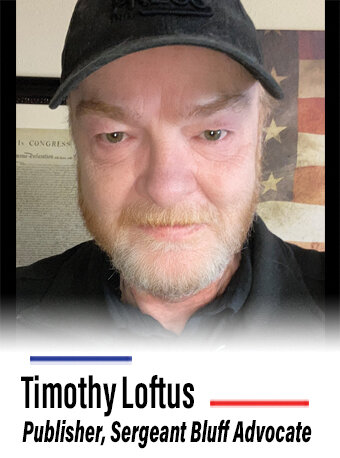
By Timothy Loftus, SBA Publisher
(SBA) - In a significant development for healthcare in the Siouxland region, UnityPoint Health has announced plans to acquire MercyOne Siouxland Medical Center, including its hospital, physician practices, and home care services. This potential merger would effectively consolidate the region’s two major healthcare systems under one umbrella, creating a single dominant entity serving Sioux City, Sergeant Bluff, and surrounding communities.
The announcement, which comes through a signed letter of intent between UnityPoint and MercyOne, is couched in the language of cooperation, sustainability, and enhanced care. Leaders of both organizations—Scott Kizer of UnityPoint and Bob Ritz of MercyOne—are quick to frame this acquisition as a strategic, compassionate, and forward-looking solution to an increasingly complex healthcare environment. Kizer has promised investment in people, services, and infrastructure, and emphasized that not-for-profit, community-led healthcare remains the ideal model for the region. Ritz, for his part, emphasizes continuity, access, and support for both patients and staff.
In the June 12th issue of the Sergeant Bluff Advocate, we posed several important questions for our readers to consider regarding the proposed hospital merger:
1. Will this merger genuinely enhance healthcare services across the tri-state area, or will it result in consolidation that limits access and reduces patient choice?
2. Once the two hospitals combine, will there still be strong incentives to innovate, improve, and stay responsive to the unique needs of our communities?
3. Will local voices continue to influence healthcare decisions, or will they be overshadowed by centralized management?
So, let’s walk through it all. On the surface, this merger appears to offer several advantages. The healthcare industry, like many others, is experiencing significant shifts—economic pressures, staffing shortages, regulatory changes, and the ever-growing demand for more sophisticated care technologies. Smaller or independent health systems often struggle to adapt. A unified system may enable more efficient coordination of care, eliminate redundancies, and provide more comprehensive services. This could lead to the expansion of specialty care offerings, quicker access to diagnostic resources, and more robust investment in rural and suburban health needs.
For residents of Sergeant Bluff, the promise is improved access to trusted care backed by the scale and resources of UnityPoint’s broader network. In theory, this should mean better service delivery, more stable healthcare employment, and stronger infrastructure support. The merger might even reopen the door to localized care that has previously been lost—a particularly sore subject for Sergeant Bluff residents who watched the closure of their UnityPoint clinic at 349 Sergeant Square Drive. The building, a million investment purpose-built for medical practice, simply sold off. That closure forced many to seek care in Sioux City or the Dakota Dunes, increasing travel time, reducing convenience, and detaching the community from its own healthcare narrative.
From the perspective of healthcare professionals, the merger offers potential benefits as well. Mergers often allow for streamlined operations, centralized training resources, better technology integration, and shared clinical expertise. Physicians and nurses might see more career growth opportunities within a larger system, and front-line staff could benefit from more consistent policies, procedures, and safety measures.
But beneath the corporate optimism lies a series of legitimate concerns that demand attention—not just from city leaders or health executives, but from the people who live, work, and raise families in Sergeant Bluff and Sioux City.The first and perhaps most important concern is that of healthcare consolidation leading to reduced competition. Competition in healthcare, while not perfect, plays a vital role in maintaining quality and responsiveness. When patients have choices, providers are incentivized to offer better service, invest in newer technologies, and be attentive to community needs. The loss of MercyOne as an independent actor effectively eliminates the primary alternative to UnityPoint. That could mean fewer options for patients, longer wait times for appointments, and less innovation in care delivery.
Worse still, history shows that when health systems consolidate, smaller and less profitable facilities are often the first to be sacrificed. Urban hospitals remain, while rural clinics and suburban outposts—like the one Sergeant Bluff already lost—are sometimes deemed inefficient and shuttered. What’s to stop UnityPoint from repeating history in this new chapter? Without meaningful competition or regulatory oversight, centralized healthcare systems can begin to act more like monopolies—setting prices, limiting choices, and losing sight of local nuances in pursuit of administrative efficiency.
Another layer of concern stems from governance. UnityPoint Health is a nonprofit health system based in West Des Moines, Iowa, operating hospitals and clinics across Iowa, Illinois, and Wisconsin. MercyOne Siouxland Medical Center is part of Trinity Health, a large nonprofit Catholic health system. While both UnityPoint and MercyOne have emphasized their commitment to “community-led” healthcare, there is skepticism about how this will function in practice. Will there be local advisory boards? Will residents of Sergeant Bluff and Sioux City have meaningful input into healthcare decisions affecting their lives? Or will policy be dictated from a centralized boardroom far removed from the everyday realities of local families?
The closure of the Sergeant Bluff clinic several years ago provides a cautionary tale. Despite being part of UnityPoint’s network, the facility was shut down, leaving a purpose-built medical office abandoned and a community without direct access to care. If a community as strategically placed as Sergeant Bluff can lose its clinic under UnityPoint’s watch, why should residents now believe that a larger, even more consolidated system will be more responsive to their needs?
Moreover, healthcare staff may also experience unintended consequences. While mergers can streamline operations, they also often lead to job duplications, reorganizations, and increased workloads. Redundancies in administrative positions are usually among the first cuts. And though executives promise investment and stability, staff morale can falter in the face of uncertainty, reduced autonomy, and a culture shift that prioritizes operational efficiency over patient care.
Residents must also weigh the potential impact on emergency care. With only one major hospital entity in Sioux City, what happens in the event of an internal systems failure, pandemic surge, or natural disaster? Without redundancy in the system, resilience is compromised. A single-point healthcare system, while theoretically streamlined, is also more vulnerable to disruption. And in matters of health and life, redundancy isn’t waste—it’s a safeguard.
For patients on the margins—those with chronic conditions, the elderly, or low-income families—the lack of competitive options can be particularly harmful. These groups are the most likely to be affected by shifts in appointment availability, transportation needs, or policy changes regarding coverage and billing. A centralized healthcare entity may adopt policies that reduce costs but unintentionally widen health disparities in vulnerable populations.
All of this places a critical responsibility on regulators, policymakers, and local leaders. The merger may not be avoidable—or even inherently bad—but it must be handled with transparency and vigilance. Regulatory review must consider not just corporate efficiency or financial sustainability, but the lived realities of patients and providers. The people of Sergeant Bluff, Sioux City, and the greater tri-state area deserve a seat at the table and a say in how their healthcare system evolves.
Public hearings, community advisory panels, and patient feedback mechanisms should be embedded into the transition process. And most importantly, firm commitments should be made—on paper and in action—to preserving access to care in smaller communities like Sergeant Bluff. This includes serious consideration of reopening shuttered clinics or repurposing abandoned facilities to meet mental health, preventive, or urgent care needs. The million dollar building on Sergeant Square Drive should not have been a monument to bureaucratic neglect or cost saving, but a catalyst for community renewal.
UnityPoint must also be clear and accountable about what “investment” really means. Will it fund new medical equipment? Will it support training for nurses and physicians? Will it build new facilities, extend clinic hours, or expand telehealth infrastructure? Or will it simply serve to stabilize the balance sheet and maintain corporate solvency?
The rhetoric of healthcare mergers is often cloaked in the language of progress—“transformation,” “sustainability,” “efficiency”—but these words are meaningless unless backed by specific, measurable outcomes. Residents should be informed not just of what UnityPoint and MercyOne plan to do, but how they will demonstrate success. What benchmarks will be set for patient satisfaction, wait times, clinical outcomes, and community outreach? And who will enforce them?
As we await regulatory review and final approval, the stakes could not be higher. At its best, this merger could deliver a streamlined, resilient, and community-responsive healthcare system that reinvests in local access and earns the trust of patients. At its worst, it could spell the end of real healthcare choice in Siouxland—a system in which convenience, cost, and compassion slowly erode under the weight of centralization and bureaucracy.
The people of Sergeant Bluff and Sioux City have seen both sides of healthcare evolution—innovation and neglect, investment and abandonment. This moment requires more than corporate optimism or boilerplate press releases. It requires honest dialogue, local accountability, and sustained public engagement.
A healthcare system should not simply exist to manage illness. It should actively serve the community, build trust, and empower people to lead healthier lives. Whether this merger will fulfill that promise remains to be seen. But one thing is clear, silence and passivity will not protect community interests. Now is the time for voices to be raised, questions to be asked, and commitments to be demanded. The health of the region depends on it.